
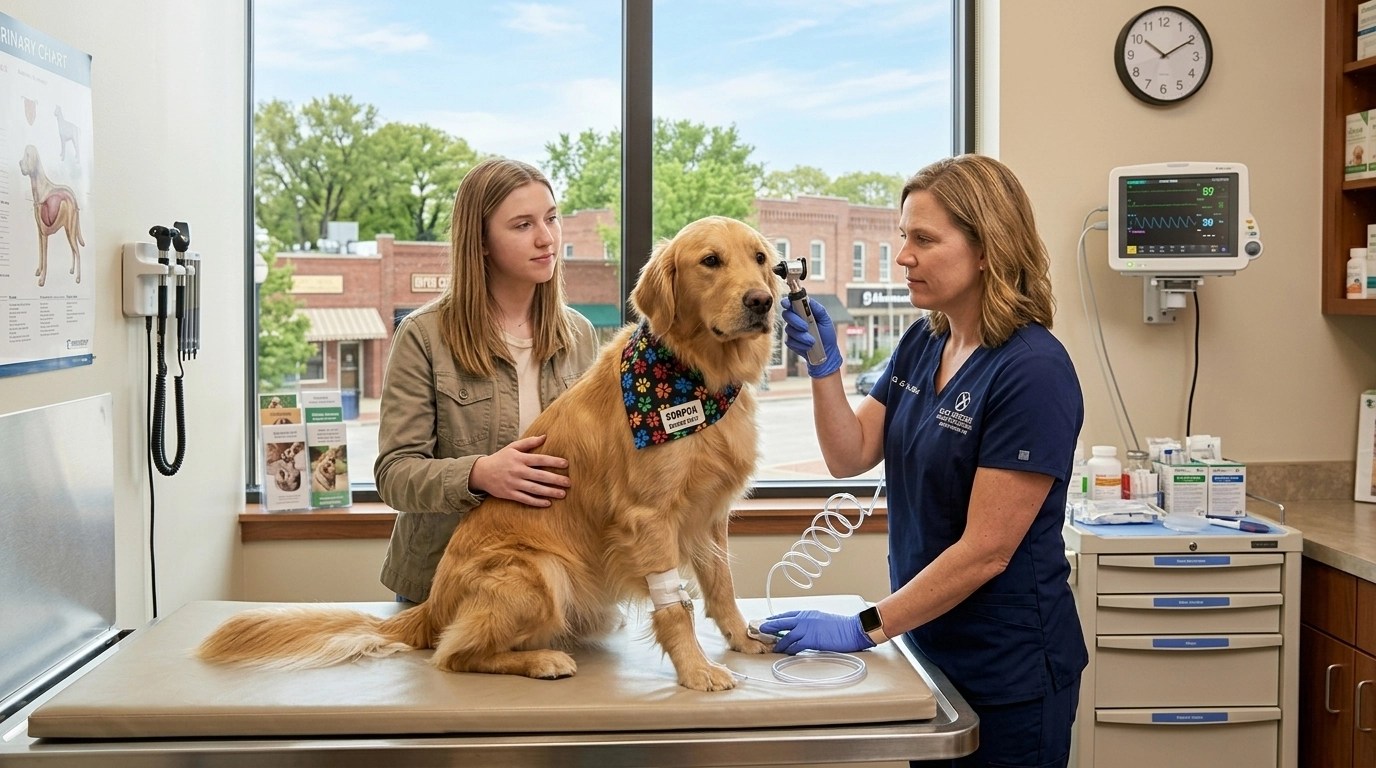
It is the middle of the night, or perhaps a quiet Sunday afternoon, when you notice something isn’t quite right. Your furry family member isn’t acting like themselves. Maybe it’s a sudden limp, a strange panting, or a refusal to eat their favorite treat. In these moments, panic is your worst enemy, but preparation is your best friend.
When you find yourself frantically typing “emergency vet near me” into a search bar, you need more than just a list of names; you need a plan. At Pet Pro Search, we understand that the emotional bond between you and your pet is sacred. That’s why we’ve sniffed out the most critical information to help you navigate a pet emergency with confidence and speed.
Consider this your concierge guide to emergency care: designed to give you peace of mind when every second counts.
The 3-Minute “Paw-sitively” Essential Checklist
If you are in the middle of a crisis right now, stop scrolling and follow these three steps:
- Assess the ABCs: Is your pet Alert? Are they Breathing easily? Is their Color (gum color) pink and healthy?
- Locate the Nearest Pro: Immediately use the Pet Pro Network to find vets near me that offer 24/7 emergency services.
- Call Ahead: Always phone the clinic while you are en route. This allows the medical team to prep for your arrival and provide immediate “triage” instructions over the phone.
Sniffing Out the Signs: Is it an Emergency?
It’s not always easy to tell if a situation is a “wait until morning” or a “drive right now” scenario. To help you decide, we’ve broken down the red flags that require immediate attention from a professional.
1. Respiratory Distress (The “Gasp” Factor)
If your pet is struggling to breathe, this is a non-negotiable emergency. Look for:
- Open-mouthed breathing (especially in cats, which is almost always a crisis).
- Excessive, heavy panting that doesn’t stop after rest.
- Raspy or shallow breaths.
- Gums that appear pale, blue, or gray.
2. Neurological Concerns
The brain and nervous system are delicate. Seek help if you observe:
- Seizures or sudden “spacing out.”
- Collapse or fainting spells.
- Loss of balance, staggering, or acting “drunk.”
- Sudden blindness or pupils that are different sizes.
3. Gastrointestinal Gristle
While a single upset stomach might just be a dietary indiscretion, these signs are serious:
- Repeated vomiting (more than 3 times in an hour).
- A bloated, hard, or painful abdomen (this can indicate GDV/Bloat, which is life-threatening).
- Straining to urinate or defecate without success.
- Blood in the stool or vomit.
4. Physical Trauma and Pain
Accidents happen in a “tail-wag.” Seek a vet for:
- Uncontrolled bleeding.
- Known ingestion of toxins (chocolate, xylitol, grapes, or lilies).
- Obvious fractures or severe lameness.
- Vocalization (yipping or howling) that suggests intense pain.

Before You Go: The “Quick-Action” Go-Bag
When the clock is ticking, you don’t want to be hunting for paperwork. Having a “Pet Emergency Kit” ready to go ensures your vet has all the science-based data they need to treat your pet effectively.
What to grab on your way out the door:
- Medical Records: A copy of recent vaccinations and chronic condition notes.
- Current Medications: Bring the actual bottles so the emergency vet knows exactly what dosages your pet is on.
- The “Suspect”: If your pet ate something toxic, bring the packaging or a sample of the substance in a sealed container.
- Identification: Ensure your pet is wearing a collar with tags, and have your microchip information handy.
- Containment: Use a secure carrier or a sturdy leash to keep your pet safe and prevent further injury during transport.
Finding a “Vet Near Me” Fast with Pet Pro Search
Navigating a crisis requires a simple, streamlined process. We built Pet Pro Search to eliminate the clutter and connect you with high-quality, accredited professionals instantly.
When searching for an emergency vet near me, our platform allows you to:
- Filter by Service: Quickly narrow down your search to clinics that specialize in emergency or urgent care.
- Verify Credibility: Look for professional standards and certifications that give you the “royal treatment” you expect.
- Find the Nearest Location: Our map-based search ensures you find the closest help, minimizing travel time when it matters most.
Whether you are a pet parent looking for a savior or a pet industry professional looking for vendors and support, we make the connection “fin-tasticly” easy.

What to Expect: The Triage Process
Walking into an emergency clinic can be overwhelming. Understanding the “regulatory requirements” and professional protocols can help lower your stress levels.
The Triage
Just like a human ER, veterinary clinics use triage. This means the most critical patients (those having trouble breathing or in active shock) are seen first. Even if you arrive first, a “hotter” case may go back before you. This is standard medical practice to ensure the longevity and safety of all animals in the facility.
The Initial Assessment
A technician or vet will perform a quick “nose-to-tail” exam. They will check vital signs: heart rate, respiratory rate, and temperature. They may ask for “peace of mind” diagnostics like:
- Bloodwork: To check organ function and hydration.
- X-rays/Ultrasound: To look for internal injuries or foreign bodies.
- IV Fluids: To stabilize blood pressure and deliver medication quickly.
Communication is Key
A high-quality emergency professional will provide you with a clear, itemized estimate and explain the “why” behind every test. Don’t be afraid to ask questions: you are a partner in your pet’s care.

Pro-Tip: Investing in Prevention
While we are here to help you find an emergency vet near me, the best way to handle an emergency is to prevent one.
- Regular Checkups: Use our platform to find reputable vets near me for annual wellness exams.
- Home Safety: “Pet-proof” your home by removing toxic plants and securing chemicals.
- Education: Consider taking a pet first-aid course to sharpen your skills.
For pet business owners, ensuring your staff is trained in emergency protocols is a great way to elevate your service. If you need resources or training vendors to support your team, explore the Pet Professional Exchange.
The Road to Recovery
Once the crisis has passed, the “tail-end” of the journey is recovery. Your emergency vet will likely send you home with specific instructions for rest, medication, and follow-up care with your regular veterinarian.
Maintain a calm environment at home. Use soft bedding, keep other pets at a distance, and monitor for any recurring symptoms. Remember, your pet picks up on your energy: staying calm helps them heal faster.

Connect with Quality, One Search at a Time
At Pet Pro Search, we believe every pet deserves the best care possible, whether it’s a routine grooming session or a midnight emergency run. We are more than just a database; we are a community-focused bridge between pet parents and the dedicated professionals who keep our furry friends healthy.
Don’t wait for an emergency to find your local hero. Explore the Pet Pro Network today and discover the best vets near me to ensure you’re always prepared for whatever life tosses your way.
Elevate your pet’s care. Connect with a pro. Discover peace of mind.