Trial Shifts & Hiring: How to Evaluate Your Next Star Employee (Without the Stress)
Let’s be real: hiring in the pet industry can feel a bit like trying to herd cats, literally and figuratively. You spend hours sifting through resumes that all look "paws-itively" perfect on paper, only to realize during the first week of training that your new hire is actually terrified of a grumpy Chihuahua or doesn't know a slicker brush from a comb.
It’s heart-stopping, isn’t it? That moment you realize the "dream candidate" might actually be a nightmare for your workflow (and your sanity).
But don’t tuck your tail between your legs just yet! There is a better way to find your next star employee without the stomach-churning guesswork. Enter: The Trial Shift.
Also known as a working interview, a trial shift is your secret weapon for ensuring a candidate isn't just "barking up the right tree" but actually has the skills, the heart, and the safety-first mindset your business needs. Today, we’re diving into how to structure these shifts to effectively evaluate talent while keeping things professional, legal, and, most importantly, stress-free.
The "Why" Behind the Trial Shift
Think of a traditional interview like a first date. Everyone is on their best behavior, wearing their nicest "fur-mal" attire, and laughing at all the right jokes. But a trial shift? That’s like taking a weekend trip together. You see how they handle stress, how they navigate a crowded room, and whether they actually clean up after themselves (or the dogs!).
In an industry where safety and animal welfare are non-negotiable, a resume simply isn't enough. You need to see their "tail-wags" in action. Are they gentle with the senior dog? Do they notice the subtle signs of stress in a cat? Do they mesh with your current team, or are they a "lone wolf" who might disrupt your pack's harmony?
Step 1: The Legal "Tail" (Why You MUST Pay Your Candidates)
Before we get into the fun stuff, we have to talk about the "boring" (but vital) legalities. There’s a common myth in the pet world that working interviews can be unpaid "volunteering." Let’s nip that in the bud right now: unpaid working interviews are a legal "ruff" spot you want to avoid.
According to the Fair Labor Standards Act (FLSA), if a candidate is performing work that benefits your business, grooming a dog, cleaning a kennel, or assisting a vet, they are technically an employee for that time and must be paid at least minimum wage.
Beyond just being the law, paying for a trial shift establishes you as a professional, high-quality employer. It also protects you:
- Liability & Workers' Comp: If an unpaid candidate gets bitten or slips on a wet floor, your insurance might not cover them because they aren't on payroll. By treating the trial shift as a short-term employment period, you ensure they are covered under workers' compensation.
- Quality of Talent: Top-tier pros know their worth. Asking them to work for free is a red flag that might send them running to your competitors.
Pro-Tip: Have a simple "Short-Term Employment Agreement" ready. This covers the pay rate, the duration of the trial, and an acknowledgement of your safety protocols. For help with the B2B side of things, like finding legal templates or HR support specific to pet pros, head over to the vendor directory on Pet Pro Search.
Step 2: Setting the Stage for Success
You wouldn't drop a new puppy into a dog park without a leash, right? Don't do the same to your candidate. A successful trial shift requires a clear structure.
Create a "Trial Menu"
Don't just say, "Jump in and help." Create a specific list of tasks you want to see them perform. This might include:
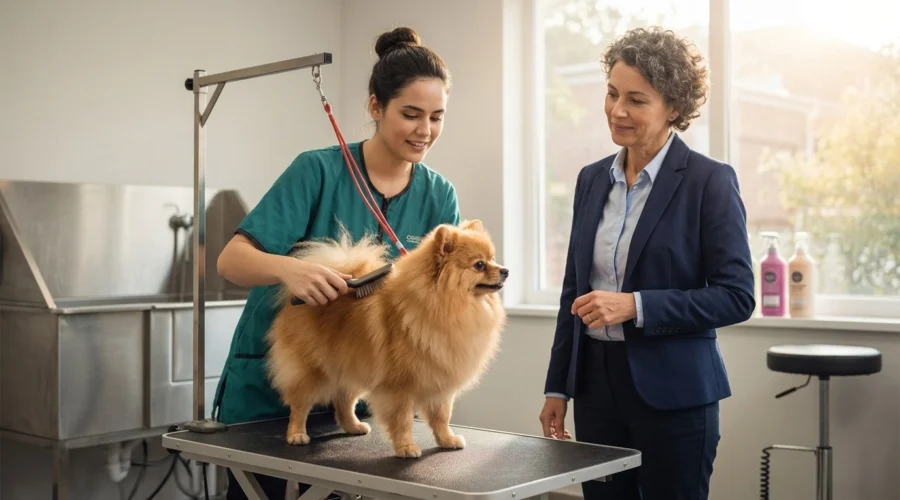
- Groomers: A full bath, blow-dry, and a basic "tidy up" on a low-risk, sweet-tempered dog.
- Kennel Staff: Cleaning three runs, refilling water bowls, and demonstrating safe leash walking.
- Trainers: Observing a class and then leading a simple 5-minute "sit/stay" exercise with a known "easy" dog.
Safety First, Always
Before they touch a single animal, walk them through your safety protocols. Show them where the bite kits are, explain your "two-door" policy, and introduce them to the "red-dot" dogs (the ones who need a little extra space).

Step 3: What to Look For (The Evaluation Checklist)
While they’re working, you’re observing. But don’t just watch their hands; watch their heart and their head. Here’s what we look for to spot a true "top dog":
1. The "Pet Side Manner"
Technical skills can often be taught, but a natural affinity for animal behavior is harder to find.
- Do they move slowly and calmly? Or are they rushing and causing the pets to feel "jittery"?
- Do they use positive reinforcement? Watch for those who offer a quick ear scratch or a soft word of encouragement.
- Safety Awareness: Do they ever leave a dog unattended on a grooming table? Do they let a leash drag on the floor? These are the "heart-stopping" moments that tell you everything you need to know.
2. The Cultural "Sniff Test"
Your team is a pack. Adding a new member shouldn't cause growling.
- Initiative: When the trash is full, do they empty it without being asked? Or do they stand around waiting for the next command?
- Communication: How do they handle feedback? If you suggest a different way to hold a cat for a nail trim, do they say "Thanks, I'll try that!" or do they get defensive?
- Energy Match: If your shop is high-energy and fast-paced, a candidate who seems overwhelmed by the noise might not be the right fit, no matter how good their scissoring skills are.
3. The "New Kid" Dynamic
Are they asking questions? A candidate who asks, "Where do you keep the extra towels?" or "What’s the protocol if a dog has a seizure?" shows they are thinking ahead and care about doing the job right.
Step 4: The Debrief (No More Ghosting!)
Once the shift is over, don't just say "We'll let you know" and send them into the void. Sit down for 10 minutes while the experience is fresh.
- Ask them: "How did that feel to you? Was there anything that surprised you about our workflow?"
- Give them a "Treat": Pay them for their time immediately (or confirm when the check will be mailed).
- Set expectations: Tell them exactly when they will hear from you. "We’re trialing two more people this week; you’ll hear from us by Friday at 5 PM."

Managing the Rejection (Without the Bite)
If the trial shift didn't go well, it’s okay! That’s exactly why you did it. It’s much better to realize someone isn't a fit after four hours than after four months.
When delivering the news, be kind but firm. "We really appreciated your time today, but we’ve decided to go with a candidate whose handling style is a closer match for our current needs." You don't need to over-explain, but you should always be "paws-itive" and professional.
Finding Your Resources
Running a pet business is a wild ride, but you don't have to do it alone. Whether you're looking for your next groomer or need to find a vetted insurance provider to cover those trial shifts, we’ve got your back.
At Pet Pro Search, we’re all about connecting the best local pros with the people who need them. And for our fellow business owners, Pet Pro Search is your go-to directory for vendors, legal resources, and other behind-the-scenes business support. For industry news and free job listings, head to petprosource.com.
Final Thoughts: You’ve Got This!
Hiring is a journey, and every trial shift is a learning experience for you as a leader. By structuring your hiring process with safety, compliance, and a clear evaluation plan, you’re not just filling a vacancy: you’re building a stronger, safer, and happier community for the pets in your care.
So, take a deep breath, grab your clipboard, and get ready to find that star employee. Your perfect "pack" is out there, and with a solid trial shift strategy, you're sure to find them!
Looking for more tips on growing your pet business? Check out our other resources on Pet Pro Source and stay tuned for our next post on how to nail your working interview from the employee's perspective!


