

It’s 11:00 PM on a Tuesday. You’re finally settling into the couch with a well-deserved snack when you hear it, that rhythmic, wet thump-thump of your dog retching in the other room, or the sound of your cat knocking over something they definitely shouldn't have eaten. Suddenly, the quiet evening shifts from "Netflix and chill" to "Panic and Google."
We’ve all been there. The midnight health scare is practically a rite of passage for pet parents. But while the internet is a great place for cute cat videos, it’s a terrifying place to diagnose a potential medical crisis in the dark.
At Pet Pro Search, we’re all about making the search for quality care super simple. Whether you’re looking for a local veterinarian for a routine checkup or trying to sniff out the best after-hours support, we’ve got your back. In this edition of our weekly series, we’re breaking down everything you need to know about navigating the world of emergency vet care. Grab a cup of coffee (or tea), and let’s get you prepared for those "furry family" emergencies.
Triage at Home: Is it a "Wait Until Morning" or a "Go Now" Situation?
One of the hardest things for any pet owner is deciding if a situation is a true emergency. You don’t want to overreact and spend your savings on a midnight visit for a bout of hiccups, but you definitely don't want to ignore a serious red flag.
Think of this as your "Sniff Test" for emergencies. If your pet is showing any of the following symptoms, it’s time to stop reading and start driving to the nearest emergency animal hospital:
- Breathing Difficulties: This is the big one. If your cat is breathing with an open mouth or your dog is making "honking" sounds, gasping, or has blue/pale gums, they need oxygen, stat.
- The "Bloat" Check: If your dog (especially a large breed) is pacing, retching without producing anything, and has a hard, swollen abdomen, this is a life-threatening emergency called GDV. Minutes matter.
- Inability to Urinate: This is particularly common and dangerous in male cats. If they are straining in the litter box with no "results," it could be a urinary blockage, which is a critical medical emergency.
- Seizures or Sudden Collapse: Even if the seizure lasts only a minute, it’s a sign that something is wrong with the neurological system.
- Suspected Poisoning: Whether it’s chocolate, lilies (deadly for cats!), grapes, or your own prescription meds, don't wait for symptoms to start.
Pro Tip: When in doubt, call! Most emergency clinics are happy to give you a quick "triage" over the phone. They’ll help you determine if your pet needs to be seen immediately or if it's safe to monitor them until your regular vet opens.
The Ultimate After-Hours First Aid Kit
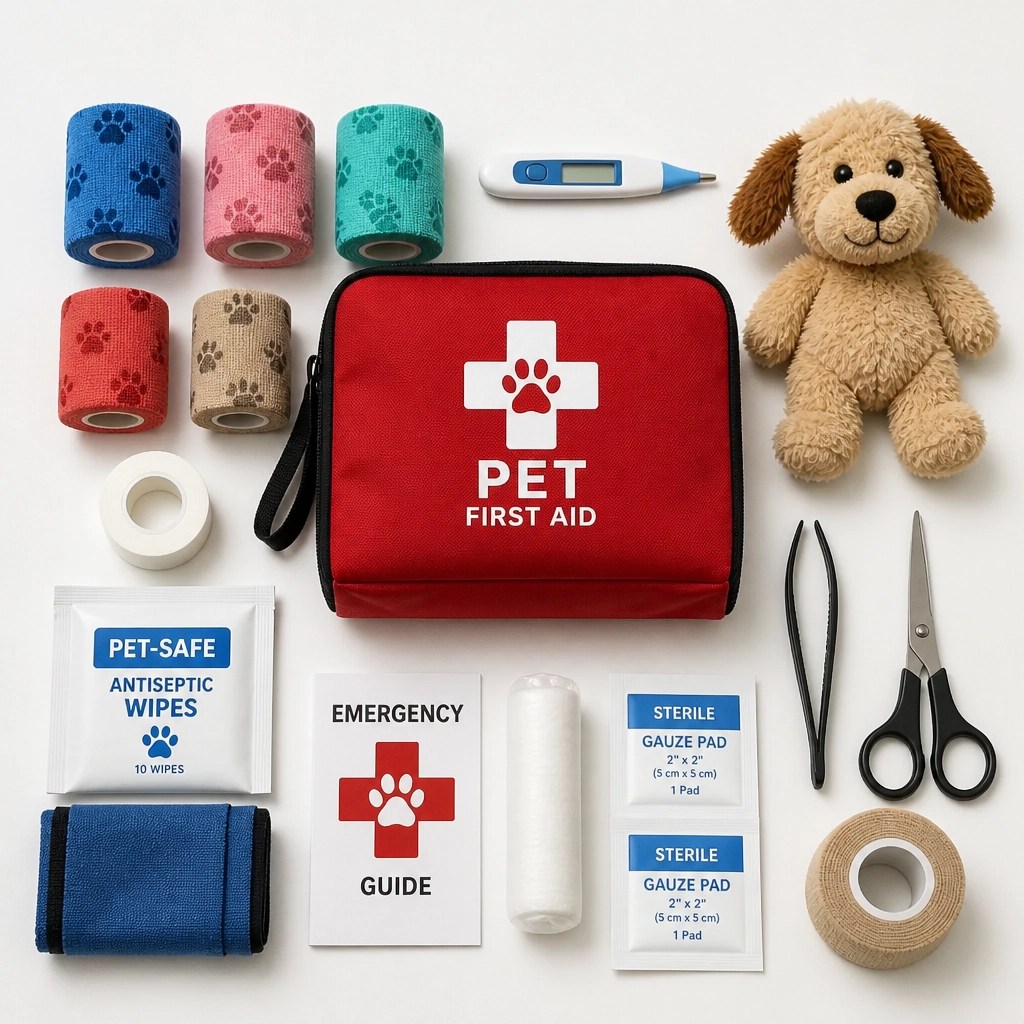
Being prepared is half the battle. You wouldn’t hike a mountain without a kit, so why navigate pet parenthood without one? While a first aid kit isn't a replacement for a professional veterinarian, it can help you stabilize your pet for the car ride.
Here’s what every "furry family" kit should include:
- Absorbent Gauze & Medical Tape: For controlling bleeding (apply gentle, firm pressure!).
- Digital Thermometer: A pet’s normal temp is between 101°F and 102.5°F. (Yes, you’ll need some lubricant too, sorry, Fluffy!).
- Saline Solution: Perfect for flushing out a dirty wound or an irritated eye.
- Tweezers: For removing splinters, glass, or ticks.
- A Muzzle: Even the sweetest dog might nip when they are in extreme pain. It’s a safety essential for both of you.
- Dish Soap (Dawn): Great for washing off skin toxins or oils.
Having these items in a dedicated bin means you won’t be rummaging through your junk drawer while your pet is in distress. It’s all about creating that peace of mind we all crave.
Stabilization: What to Do Before You Hit the Road
Once you’ve determined it’s an emergency, the "human" part of you might want to panic. Resist! Your pet picks up on your energy. If you’re high-energy and frantic, they’ll be too.
1. Stay Calm and Secure the Area
If your pet is injured, move other animals and children to another room. If there’s blood, use your clean gauze from your kit to apply pressure.
2. Call Ahead
This is vital. Calling the ER vet while you’re in the car (hands-free, please!) allows them to prepare. If your pet has been hit by a car or is having a seizure, they can have a gurney and an oxygen tank waiting at the door.
3. Transport with Care
For small pets, use a carrier. For larger dogs that can't walk, you can use a sturdy blanket as a makeshift stretcher. Keep them warm and immobilized as much as possible.
The ER Experience: A Behind-the-Scenes Peek

Walking into an emergency vet clinic can feel a bit like entering a different world. It’s often busy, high-stakes, and a little bit overwhelming. Understanding the process can take the sting out of the experience.
- Triage is King: Just like a human ER, the sickest patients are seen first. If a dog comes in with a life-threatening trauma while you’re waiting with a torn toenail, that dog will go ahead of you. It’s not about who arrived first; it’s about who needs help right now.
- The "Back Room": Don’t be alarmed if the technician takes your pet "to the back" immediately. This is where the diagnostic equipment, oxygen cages, and specialized monitors are located. It’s where your pet gets the royal treatment from a team of specialists.
- Diagnostics & Estimates: After an initial assessment, the vet will provide you with a plan. This usually includes bloodwork, X-rays, or ultrasound. At this point, they should also provide a cost estimate. Emergency care is an investment in your pet’s longevity, but it can be pricey: don't be afraid to ask about payment plans or options like CareCredit.
Finding Your Safety Net with Pet Pro Search

At the end of the day, your best defense against an emergency is a strong relationship with a trusted local vet. Having a "Primary Care" professional who knows your pet’s history can make emergency follow-ups much smoother.
If you’re new to an area or just looking for a more supportive partner in your pet’s health, we invite you to explore The Pet Pro Network. We’ve sniffed out the best pet care professionals across the United States, making it easy for you to connect with accredited, ethical, and highly-rated providers.
Whether you need a vet who specializes in senior care, a pet sitter who knows how to handle medical needs, or even a pet photographer to capture those healthy, happy moments, our platform is designed to give you the ultimate concierge experience.
Final Thoughts: You’ve Got This!

Emergency vet visits are never on anyone’s "bucket list," but they don’t have to be a nightmare. By staying informed, keeping a kit ready, and knowing who to call, you’re already ahead of the pack.
Remember, you are your pet’s best advocate. Your intuition and your quick action are the most powerful tools in your first-aid kit. So take a deep breath, give your furry family member an extra pat (or a head scratch), and rest easy knowing you're prepared for whatever comes your way.
If you’re a pet industry professional looking to connect with more parents like these, check out The Pet Professional Exchange to see how we’re supporting the businesses that keep our pets happy and healthy.
Stay safe out there, pet parents!